

Support BeCURE→
Scroll
13
people have been cured of HIV.
40 million
are still waiting.
Two of those stories began here in Berlin.
BeCURE, Berlin Center for HIV Cure
Science. Collaboration. Community. Cure.
Cure is possible

The question is
no longer whether.
It is how.

HIV cure went from something considered virtually impossible to something that has actually happened. What remains is understanding why it happened in these rare cases, and how safe, scalable cure strategies could reach many more people.

Science stories are human stories.

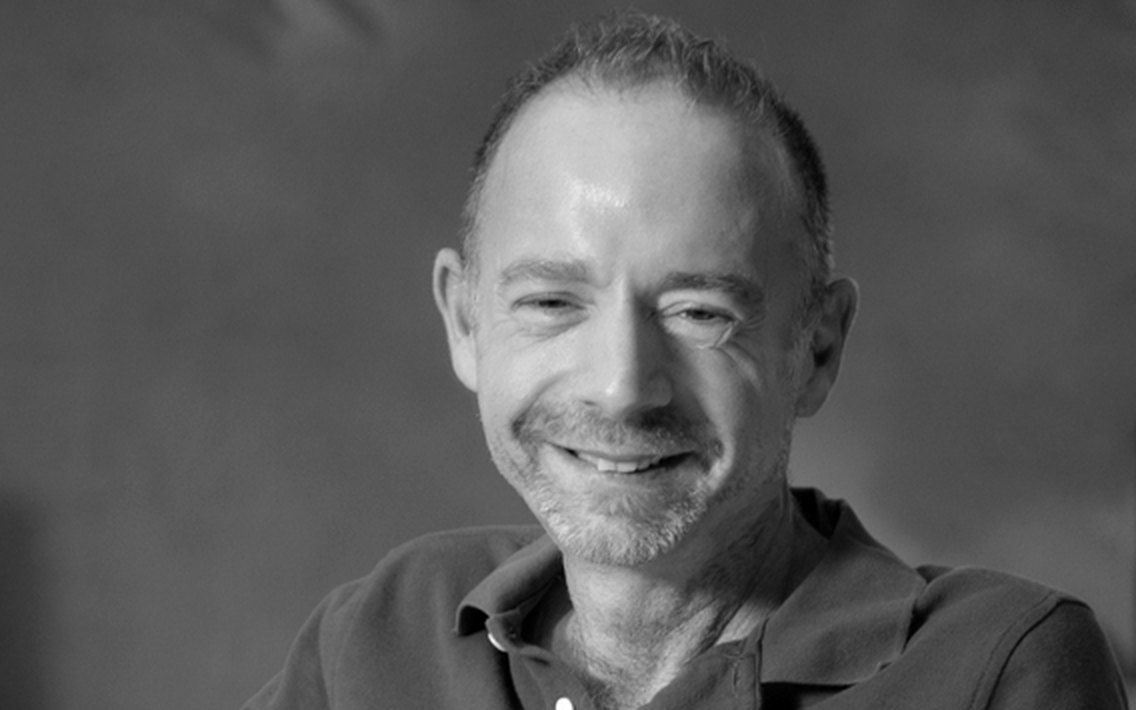
Timothy Ray Brown

Timothy Ray Brown

In 2009 Timothy Ray Brown became the first person in the world to be cured of HIV. His case transformed HIV research by demonstrating, for the first time, that a cure was biologically possible. His experience continues to shape the questions cure researchers are asking today.

“I want everyone with HIV to be cured.” Timothy Ray Brown
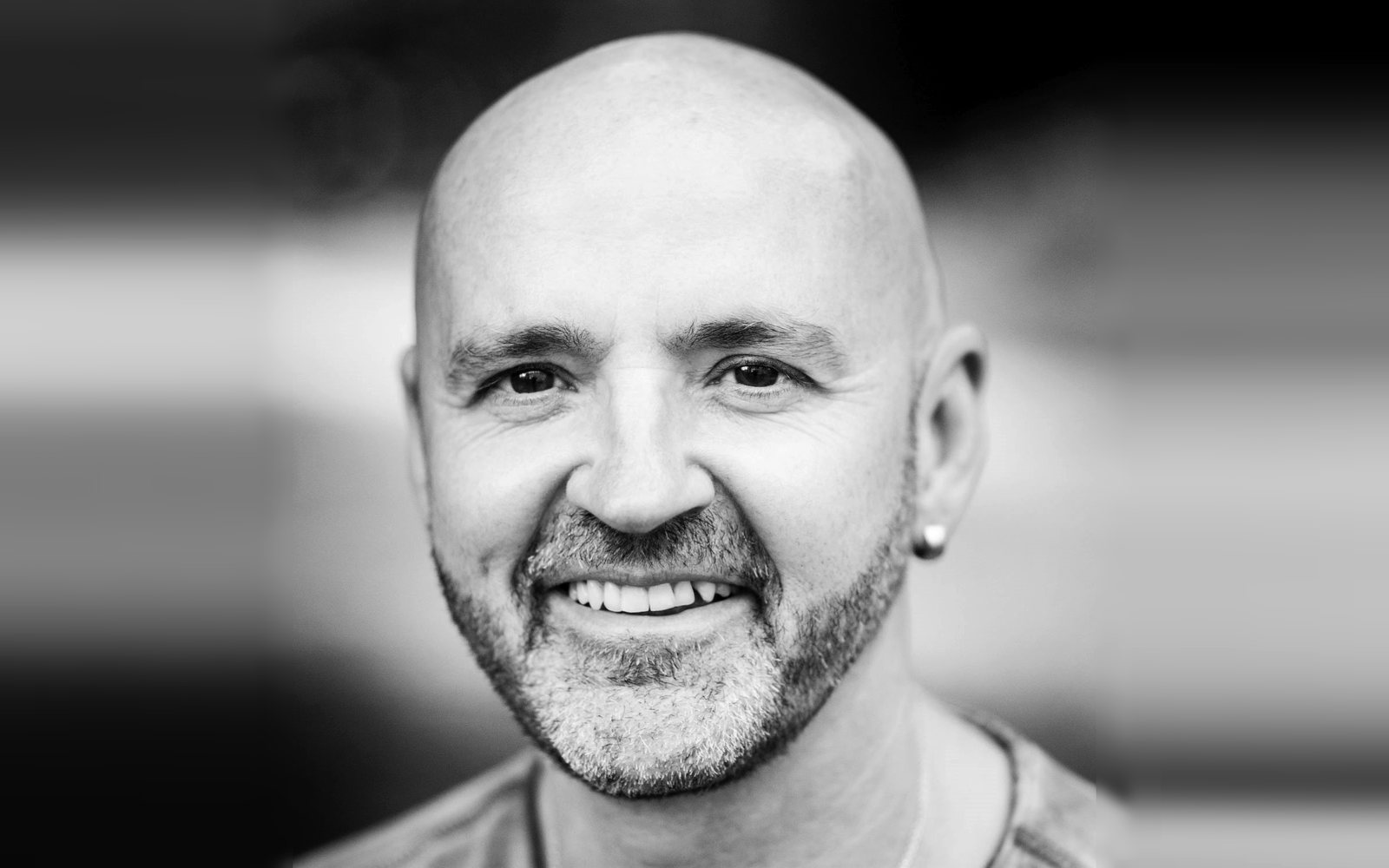
Thomas Kahlert

Thomas Kahlert

Thomas Kahlert is the second Berlin Patient. In 2025 he became one of the small number of people worldwide to have achieved sustained HIV remission following treatment for another serious illness. By choosing to share his experience publicly, Thomas brings the human reality of HIV cure research into the work of BeCURE.

“A healthy person has many wishes; a sick person just one.” Thomas Kahlert
Brown-Kahlert Clinical Research Unit

Our clinical research unit carries the names of Timothy Ray Brown and Thomas Kahlert to honor their stories and make them a lasting part of this institution.

Three questions

Why here. Why us. Why now.

Why Berlin?

HIV has been cured twice in Berlin. The clinical, scientific and community expertise to take the next steps is here.

Why this center?

BeCURE brings laboratory research, clinical studies, social science and the affected community together in one interdisciplinary and translational structure.

Why now?

Broadly neutralizing antibodies, cell therapies and a new understanding of viral immunity and reservoirs turn cure research into a testable program.
How the work is organized

Five areas,
one question.

Cure research only works when the laboratory and the people affected are part of the same conversation. These five areas are how BeCURE keeps them together.

The questions we are asking
Why do some people maintain control of HIV?
Can antibodies help the immune system achieve durable control?
Where does HIV persist when treatment suppresses it?
What can the rare cases of cure teach us?
What happens to identity and relationships after cure?
What support can do

Support becomes concrete work.

A few examples from the current funding portfolio, so that a contribution can be read as a decision about which work becomes possible.

€10,000
A pilot project Enough to test one idea properly before it can compete for public funding.
€50,000 – 70,000
A PhD fellowship Three years of one researcher's full attention on a single unanswered question.
€300,000+
Major experimental research infrastructure Equipment and platforms that several projects and partner institutions use for years.
Individual support

Give directly to cure research at Charité.

Any amount goes into the research program through the Charité donation system.

Donate→
Philanthropic and institutional

Fund a project, a fellowship or a platform.

For foundations, companies, major donors and partners. We share the full funding portfolio and talk through what fits.

Write to us→
Community is part of the research

The people affected shape the questions.

The Community Collaboration Board sits inside how BeCURE works, not beside it. People living with HIV help decide what gets studied and how studies are run.

Research about people's lives should be shaped by the people whose lives it is about.

Opening

The Berlin Center for HIV Cure opens on 14 October 2026.

With BeCURE, Charité is establishing an interdisciplinary and translational center for researching and developing innovative approaches to curing HIV and other chronic viral infections. The opening brings together representatives from science, the HIV community, politics, the press and funding institutions.

Date
14 October 2026
Time
From 16:30
Venue
Der Simulierte MenschAmrumer Str. 33, Berlin
What happens next

Rare cases changed what we know is possible. Now the work is making that possibility shareable.